Buy bier.co.at ?
We are moving the project
bier.co.at .
Are you interested in purchasing the domain
bier.co.at ?
domain@kv-gmbh.de · 0541-91531010
Buy bier.co.at ?
How do I calculate refraction or the angle of refraction?
To calculate refraction or the angle of refraction, you can use Snell's Law, which relates the angles of incidence and refraction to the refractive indices of the two mediums involved. The formula is n1*sin(theta1) = n2*sin(theta2), where n1 and n2 are the refractive indices of the two mediums, and theta1 and theta2 are the angles of incidence and refraction, respectively. By rearranging this formula, you can solve for the angle of refraction when given the angle of incidence and refractive indices of the mediums. **
How do I calculate the refraction or the angle of refraction?
To calculate the angle of refraction, you can use Snell's Law, which states that the ratio of the sine of the angle of incidence to the sine of the angle of refraction is equal to the ratio of the velocities of light in the two different mediums. Mathematically, this can be expressed as n1*sin(theta1) = n2*sin(theta2), where n1 and n2 are the refractive indices of the two mediums, and theta1 and theta2 are the angles of incidence and refraction, respectively. By rearranging this equation, you can solve for the angle of refraction. **
Similar search terms for Refraction
Top-Angebote
Products related to Refraction:
-
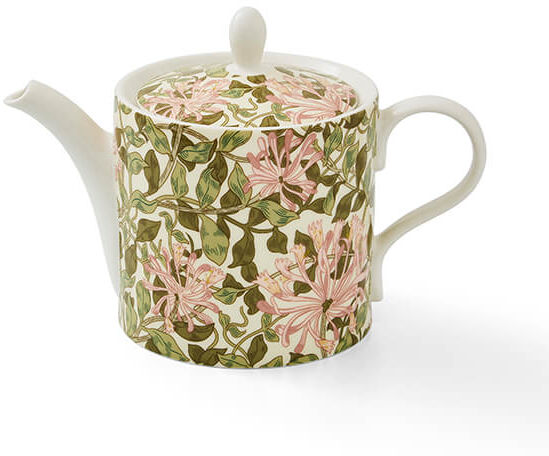
Morris & Co Honeysuckle 2 Pint TeapotPerfect for adding a touch of style and heritage to your afternoon tea, this Morris & Co Honeysuckle 2 Pint Teapot has a 1.1L capacity. Featuring the heritage yet modish designs of William Morris, this giftware collection is the perfect complement to Morris and Co's 160th anniversary celebrations in 2021. Morris & Co Honeysuckle 2 Pint Teapot is dishwasher, freezer and microwave safe.60,80 £*Shipping: 0,00 £Secure redirect to the provider
-
Spode Morris & Co 3-Pint Earthenware Jug - FruitServe with effortless elegance using this Morris & Co. jug from Spode’s heritage-inspired collection. Showcasing the iconic Fruit design, originally created in 1864, it features richly detailed pomegranates, peaches, and flowing foliage in beautifully balanced tones. Perfect for pouring drinks or displaying fresh flowers as a striking centrepiece, this versatile piece brings timeless charm to any home. An exceptional choice to treasure yourself or present as a thoughtful housewarming or wedding gift. Product Features Fruit Design Crafted from high-quality earthenware Made in Stoke-on-Trent Ideal for serving drinks when entertaining Perfect for use as a flower jug Other products are available in this range Capacity: 1700ml / 3 Pints Dimensions: Height: 20cm x Depth: 10.5cm x Width: 22cm Dishwasher and microwave safe49,99 £*Shipping: 4,99 £Secure redirect to the provider
-
Dartington Beer Collection Real Ale TankardEnjoy a perfect pint in this delightful Dartington Lead Crystal Real Ale Tankard. Handmade in England from high quality crystal glass this Tankard has a capacity of 600ml and measures 142mm high. Suitable for hand washing.50,00 £*Shipping: 0,00 £Secure redirect to the provider



-
What is the angle of refraction in the refraction of light?
The angle of refraction in the refraction of light is the angle between the refracted ray and the normal to the surface at the point of incidence. It is determined by Snell's Law, which states that the ratio of the sine of the angle of incidence to the sine of the angle of refraction is equal to the ratio of the velocities of light in the two media. The angle of refraction can be calculated using the formula: n1*sin(θ1) = n2*sin(θ2), where n1 and n2 are the refractive indices of the two media, and θ1 and θ2 are the angles of incidence and refraction, respectively. **
-
What is refraction in a prism?
Refraction in a prism is the bending of light as it passes through the prism due to the change in speed of light in different mediums. When light enters a prism, it slows down and bends towards the normal line, then as it exits the prism, it speeds up and bends away from the normal line. This bending of light causes the different colors of the spectrum to separate and create a rainbow effect. **
-
What is the law of refraction?
The law of refraction, also known as Snell's law, describes the relationship between the angles of incidence and refraction when a wave, such as light or sound, passes from one medium to another. It states that the ratio of the sine of the angle of incidence to the sine of the angle of refraction is equal to the ratio of the velocities of the wave in the two media. In other words, the law of refraction quantifies how much a wave bends as it passes from one medium to another, such as from air to water or from air to glass. **
-
How does the refraction of light occur?
Refraction of light occurs when light travels from one medium to another with a different optical density, causing the light rays to change direction. This change in direction is due to the difference in speed of light in the two mediums. As light enters a medium with a different optical density, it can either speed up or slow down, causing the light rays to bend. This bending of light is what we observe as refraction. **

How can one construct refraction of light?
One can construct refraction of light by passing light through a medium with a different optical density, such as air to water or glass. The change in optical density causes the light to change speed and bend as it enters the new medium, resulting in refraction. The angle of refraction can be calculated using Snell's Law, which relates the angles of incidence and refraction to the refractive indices of the two mediums. By understanding and manipulating these principles, one can effectively construct and demonstrate refraction of light. **
How do you calculate refraction in physics?
In physics, refraction is calculated using Snell's Law, which relates the angles of incidence and refraction to the refractive indices of the two materials involved. The formula for Snell's Law is n1*sin(θ1) = n2*sin(θ2), where n1 and n2 are the refractive indices of the two materials, and θ1 and θ2 are the angles of incidence and refraction, respectively. By rearranging this formula, one can solve for any of the variables involved in the refraction process. This calculation is crucial for understanding how light bends as it passes from one medium to another, such as from air to water or from air to glass. **
Top-Angebote
Products related to Refraction:
-
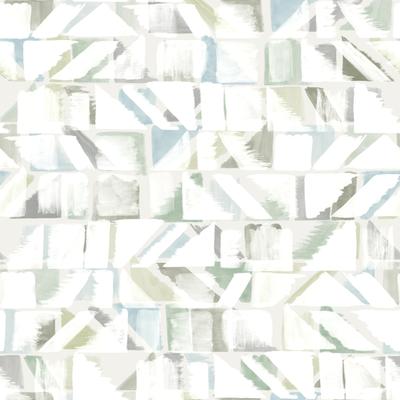
York Wallcoverings Blue Refraction Peel and Stick WallpaperPattern Refraction is a fractured geometric with the effect of a broken prism of reflected light. This Refraction Peel & Stick Wallpaper measures approximately 20.5 inches wide by 20 feet long, covering About 34.2 square feet per roll.47,07 $*Shipping: 0,00 $Secure redirect to the provider
-
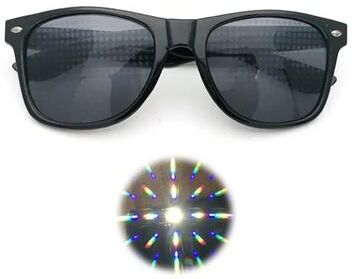
Quick Pick Pro Prism Effect Diffraction Glasses For Raves & Festivals Black Frame Rave Glasses With Light Refraction Lenses Prism Effect Diffraction Glasses For Raves & Festivals Black Frame Rave Glasses With Light Refraction LensesStep into a world where light becomes a living celebration. These Prism Effect diffraction glasses turn every laser, LED and stage light into vibrant, kaleidoscopic visuals that pull you deeper into the moment. Designed for music lovers, festival...41,97 $*Shipping: 0,00 $Secure redirect to the provider
-
Morris & Co Honeysuckle 2 Pint TeapotPerfect for adding a touch of style and heritage to your afternoon tea, this Morris & Co Honeysuckle 2 Pint Teapot has a 1.1L capacity. Featuring the heritage yet modish designs of William Morris, this giftware collection is the perfect complement to Morris and Co's 160th anniversary celebrations in 2021. Morris & Co Honeysuckle 2 Pint Teapot is dishwasher, freezer and microwave safe.60,80 £*Shipping: 0,00 £Secure redirect to the provider
-
How do I calculate refraction or the angle of refraction?
To calculate refraction or the angle of refraction, you can use Snell's Law, which relates the angles of incidence and refraction to the refractive indices of the two mediums involved. The formula is n1*sin(theta1) = n2*sin(theta2), where n1 and n2 are the refractive indices of the two mediums, and theta1 and theta2 are the angles of incidence and refraction, respectively. By rearranging this formula, you can solve for the angle of refraction when given the angle of incidence and refractive indices of the mediums. **
-
How do I calculate the refraction or the angle of refraction?
To calculate the angle of refraction, you can use Snell's Law, which states that the ratio of the sine of the angle of incidence to the sine of the angle of refraction is equal to the ratio of the velocities of light in the two different mediums. Mathematically, this can be expressed as n1*sin(theta1) = n2*sin(theta2), where n1 and n2 are the refractive indices of the two mediums, and theta1 and theta2 are the angles of incidence and refraction, respectively. By rearranging this equation, you can solve for the angle of refraction. **
-
What is the angle of refraction in the refraction of light?
The angle of refraction in the refraction of light is the angle between the refracted ray and the normal to the surface at the point of incidence. It is determined by Snell's Law, which states that the ratio of the sine of the angle of incidence to the sine of the angle of refraction is equal to the ratio of the velocities of light in the two media. The angle of refraction can be calculated using the formula: n1*sin(θ1) = n2*sin(θ2), where n1 and n2 are the refractive indices of the two media, and θ1 and θ2 are the angles of incidence and refraction, respectively. **
-
What is refraction in a prism?
Refraction in a prism is the bending of light as it passes through the prism due to the change in speed of light in different mediums. When light enters a prism, it slows down and bends towards the normal line, then as it exits the prism, it speeds up and bends away from the normal line. This bending of light causes the different colors of the spectrum to separate and create a rainbow effect. **
Similar search terms for Refraction
-
Spode Morris & Co 3-Pint Earthenware Jug - FruitServe with effortless elegance using this Morris & Co. jug from Spode’s heritage-inspired collection. Showcasing the iconic Fruit design, originally created in 1864, it features richly detailed pomegranates, peaches, and flowing foliage in beautifully balanced tones. Perfect for pouring drinks or displaying fresh flowers as a striking centrepiece, this versatile piece brings timeless charm to any home. An exceptional choice to treasure yourself or present as a thoughtful housewarming or wedding gift. Product Features Fruit Design Crafted from high-quality earthenware Made in Stoke-on-Trent Ideal for serving drinks when entertaining Perfect for use as a flower jug Other products are available in this range Capacity: 1700ml / 3 Pints Dimensions: Height: 20cm x Depth: 10.5cm x Width: 22cm Dishwasher and microwave safe49,99 £*Shipping: 4,99 £Secure redirect to the provider
-
Dartington Beer Collection Real Ale TankardEnjoy a perfect pint in this delightful Dartington Lead Crystal Real Ale Tankard. Handmade in England from high quality crystal glass this Tankard has a capacity of 600ml and measures 142mm high. Suitable for hand washing.50,00 £*Shipping: 0,00 £Secure redirect to the provider
-
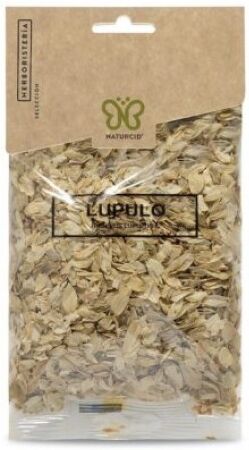
Naturcid Hops Infusion Bag 20 grNutrition and Supplements Natural Extracts Naturcid Hops Infusion Bag 20 gr It is a product with optimal natural resources recommended for anxiety, sleep disorders and restlessness, symptoms of menstruation, menopause and diseases of the digestive system. It has beneficial sedative, estrogenic and vermifuge properties. How to use: Infusion (boil for a few moments) 1 tablespoon per cup of water. Let stand a few minutes, strain and drink 2 cups a day. Avoid during pregnancy, lactation and children under 6 years of age. Do not take for long periods. Additional information: No allergens. Does not contain genetically modified organisms (No GMO) or irradiated. BPA free container. Store at room temperature, in a cool, dry place protected from light.1,34 £*Shipping: 3,99 £Secure redirect to the provider
-
Neovital Health Microgranules hops 45 capsulesNutrition and Supplements Special supplements Neovital Health Microgranules hops 45 capsules Neo microgranules hops 45 capsules. Hops are used mainly in medicine as a sedative ( calm and regularizes nervous activity ) and somnolent ( induces sleep by acting directly on the hypothalamus or by general sedation of the body ) in cases of insomnia, headaches, nervousness. It is also used to whet the appetite and in case of difficult digestion depending on its virtues as digestive ( helps digestion by facilitating the activity of the stomach) and appetizer ( contains bitter principles that stimulate the appetite and prepare the series of digestive operations ). It is also said to have an anaphrodisiac action, that is, it reduces sexual appetite in men. In women it seems to have been used to obtain the opposite effect. How to use : Take 2 capsules a day, in the morning and at night. Presentation: Package with 45 capsules of 400 mg. of microgranules.11,89 £*Shipping: 3,99 £Secure redirect to the provider
-
What is the law of refraction?
The law of refraction, also known as Snell's law, describes the relationship between the angles of incidence and refraction when a wave, such as light or sound, passes from one medium to another. It states that the ratio of the sine of the angle of incidence to the sine of the angle of refraction is equal to the ratio of the velocities of the wave in the two media. In other words, the law of refraction quantifies how much a wave bends as it passes from one medium to another, such as from air to water or from air to glass. **
-
How does the refraction of light occur?
Refraction of light occurs when light travels from one medium to another with a different optical density, causing the light rays to change direction. This change in direction is due to the difference in speed of light in the two mediums. As light enters a medium with a different optical density, it can either speed up or slow down, causing the light rays to bend. This bending of light is what we observe as refraction. **
-
How can one construct refraction of light?
One can construct refraction of light by passing light through a medium with a different optical density, such as air to water or glass. The change in optical density causes the light to change speed and bend as it enters the new medium, resulting in refraction. The angle of refraction can be calculated using Snell's Law, which relates the angles of incidence and refraction to the refractive indices of the two mediums. By understanding and manipulating these principles, one can effectively construct and demonstrate refraction of light. **
-
How do you calculate refraction in physics?
In physics, refraction is calculated using Snell's Law, which relates the angles of incidence and refraction to the refractive indices of the two materials involved. The formula for Snell's Law is n1*sin(θ1) = n2*sin(θ2), where n1 and n2 are the refractive indices of the two materials, and θ1 and θ2 are the angles of incidence and refraction, respectively. By rearranging this formula, one can solve for any of the variables involved in the refraction process. This calculation is crucial for understanding how light bends as it passes from one medium to another, such as from air to water or from air to glass. **
* All prices are inclusive of VAT and, if applicable, plus shipping costs. The offer information is based on the details provided by the respective shop and is updated through automated processes. Real-time updates do not occur, so deviations can occur in individual cases. ** Note: Parts of this content were created by AI.