Buy bier.co.at ?
We are moving the project
bier.co.at .
Are you interested in purchasing the domain
bier.co.at ?
domain@kv-gmbh.de · 0541-91531010
Buy bier.co.at ?
How do non-homologous recombination and homologous recombination work?
Non-homologous recombination involves the joining of two DNA molecules at non-homologous sequences, resulting in the insertion, deletion, or rearrangement of genetic material. This process is often error-prone and can lead to mutations. Homologous recombination, on the other hand, involves the exchange of genetic material between two similar DNA molecules, typically occurring during meiosis. This process is important for repairing DNA damage and ensuring genetic diversity. It involves the exchange of genetic material between homologous chromosomes, resulting in the formation of new combinations of genes. **
What is the difference between interchromosomal recombination and intrachromosomal recombination?
Interchromosomal recombination involves the exchange of genetic material between two different chromosomes, while intrachromosomal recombination involves the exchange of genetic material within the same chromosome. Interchromosomal recombination can result in the creation of new combinations of genes from different chromosomes, leading to genetic diversity. In contrast, intrachromosomal recombination can lead to the repair of DNA damage or the creation of genetic variation within the same chromosome. Both processes are important for genetic diversity and evolution. **

Similar search terms for Recombination
Top-Angebote
Products related to Recombination:
-
Spode Morris & Co 3-Pint Earthenware Jug - FruitServe with effortless elegance using this Morris & Co. jug from Spode’s heritage-inspired collection. Showcasing the iconic Fruit design, originally created in 1864, it features richly detailed pomegranates, peaches, and flowing foliage in beautifully balanced tones. Perfect for pouring drinks or displaying fresh flowers as a striking centrepiece, this versatile piece brings timeless charm to any home. An exceptional choice to treasure yourself or present as a thoughtful housewarming or wedding gift. Product Features Fruit Design Crafted from high-quality earthenware Made in Stoke-on-Trent Ideal for serving drinks when entertaining Perfect for use as a flower jug Other products are available in this range Capacity: 1700ml / 3 Pints Dimensions: Height: 20cm x Depth: 10.5cm x Width: 22cm Dishwasher and microwave safe49,99 £*Shipping: 4,99 £Secure redirect to the provider
-
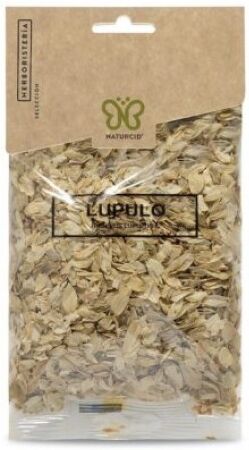
Naturcid Hops Infusion Bag 20 grNutrition and Supplements Natural Extracts Naturcid Hops Infusion Bag 20 gr It is a product with optimal natural resources recommended for anxiety, sleep disorders and restlessness, symptoms of menstruation, menopause and diseases of the digestive system. It has beneficial sedative, estrogenic and vermifuge properties. How to use: Infusion (boil for a few moments) 1 tablespoon per cup of water. Let stand a few minutes, strain and drink 2 cups a day. Avoid during pregnancy, lactation and children under 6 years of age. Do not take for long periods. Additional information: No allergens. Does not contain genetically modified organisms (No GMO) or irradiated. BPA free container. Store at room temperature, in a cool, dry place protected from light.1,34 £*Shipping: 3,99 £Secure redirect to the provider
-
Dartington Beer Collection Real Ale TankardEnjoy a perfect pint in this delightful Dartington Lead Crystal Real Ale Tankard. Handmade in England from high quality crystal glass this Tankard has a capacity of 600ml and measures 142mm high. Suitable for hand washing.50,00 £*Shipping: 0,00 £Secure redirect to the provider
-
Raw Naturals Pale Ale Shower Gel 300mlThis mild and refreshing shower brew takes your shower experience to the next level. The formula transforms into an airy lather and rinses off smoothly, leaving your body and hair thoroughly cleansed, and perfumed to perfection. Key ingredients Mild natural cleansing agents from apple: cleanses deeply. Extracts from hops: caring, calming, and hydrating. Ingredients Aqua, Sodium Lauroyl Methyl Isethionate, Cocamidopropyl Betaine, Glycerin, Sodium Cocoyl Apple Amino Acids, Sodium Chloride, PEG-200 Hydrogenated Glyceryl Palmate, PEG-7 Glyceryl Cocoate, Parfum, Sodium Benzoate, Hydroxypropyl Guar Hydroxypropyltrimonium Chloride, Potassium Sorbate, Citric Acid, Hexylene Glycol, Humulus Lupulus Extract12,99 £*Shipping: 2,95 £Secure redirect to the provider



-
What is the difference between intrachromosomal recombination and interchromosomal recombination?
Intrachromosomal recombination occurs between two different regions of the same chromosome, leading to the exchange of genetic material within the same chromosome. On the other hand, interchromosomal recombination involves the exchange of genetic material between two different chromosomes. Intrachromosomal recombination can lead to the creation of genetic diversity within a single chromosome, while interchromosomal recombination can result in the exchange of genetic material between different chromosomes, leading to genetic diversity among different chromosomes. **
-
What is recombination in biology?
Recombination in biology refers to the process by which genetic material from two different sources is combined to produce a new combination of genes. This can occur through sexual reproduction, where genetic material from two parents is combined to create offspring with a unique genetic makeup. Recombination plays a crucial role in generating genetic diversity within populations, which is important for evolution and adaptation to changing environments. In organisms that reproduce sexually, recombination occurs during meiosis, where homologous chromosomes exchange genetic material through a process called crossing over. **
-
How does crossing-over influence recombination?
Crossing-over is a process during meiosis where homologous chromosomes exchange genetic material. This exchange of genetic material results in new combinations of alleles on the chromosomes, leading to genetic recombination. By shuffling genetic material between homologous chromosomes, crossing-over increases genetic diversity in offspring and can result in the creation of new combinations of traits. This process is essential for generating genetic variation within a population and plays a crucial role in evolution. **
-
What is recombination and genetic variability?
Recombination is the process by which genetic material is exchanged between two similar molecules of DNA, resulting in new combinations of genes. This process occurs during meiosis, the cell division that produces gametes (sperm and egg cells). Genetic variability refers to the diversity of genetic material within a population, which is influenced by factors such as recombination, mutations, and gene flow. Recombination plays a key role in generating genetic variability by creating new combinations of genes, which can lead to increased diversity and adaptation within a population. **


How many offspring are produced through recombination?
Recombination typically results in two offspring being produced. This is because during recombination, genetic material from two parent organisms is combined to create a new individual with a unique combination of traits. This process allows for genetic diversity and variation within a population. **
When does disproportionation occur instead of recombination?
Disproportionation occurs when a single species is both oxidized and reduced in a reaction, leading to the formation of two different products with different oxidation states. This process typically occurs when the species involved can exist in multiple oxidation states and there is no suitable reactant available for recombination. In contrast, recombination occurs when two species with different oxidation states combine to form a single product with an intermediate oxidation state. **
Top-Angebote
Products related to Recombination:
-
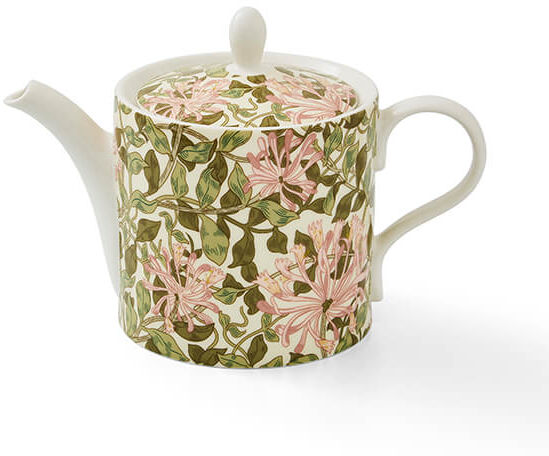
Morris & Co Honeysuckle 2 Pint TeapotPerfect for adding a touch of style and heritage to your afternoon tea, this Morris & Co Honeysuckle 2 Pint Teapot has a 1.1L capacity. Featuring the heritage yet modish designs of William Morris, this giftware collection is the perfect complement to Morris and Co's 160th anniversary celebrations in 2021. Morris & Co Honeysuckle 2 Pint Teapot is dishwasher, freezer and microwave safe.60,80 £*Shipping: 0,00 £Secure redirect to the provider
-
Spode Morris & Co 3-Pint Earthenware Jug - FruitServe with effortless elegance using this Morris & Co. jug from Spode’s heritage-inspired collection. Showcasing the iconic Fruit design, originally created in 1864, it features richly detailed pomegranates, peaches, and flowing foliage in beautifully balanced tones. Perfect for pouring drinks or displaying fresh flowers as a striking centrepiece, this versatile piece brings timeless charm to any home. An exceptional choice to treasure yourself or present as a thoughtful housewarming or wedding gift. Product Features Fruit Design Crafted from high-quality earthenware Made in Stoke-on-Trent Ideal for serving drinks when entertaining Perfect for use as a flower jug Other products are available in this range Capacity: 1700ml / 3 Pints Dimensions: Height: 20cm x Depth: 10.5cm x Width: 22cm Dishwasher and microwave safe49,99 £*Shipping: 4,99 £Secure redirect to the provider
-
Naturcid Hops Infusion Bag 20 grNutrition and Supplements Natural Extracts Naturcid Hops Infusion Bag 20 gr It is a product with optimal natural resources recommended for anxiety, sleep disorders and restlessness, symptoms of menstruation, menopause and diseases of the digestive system. It has beneficial sedative, estrogenic and vermifuge properties. How to use: Infusion (boil for a few moments) 1 tablespoon per cup of water. Let stand a few minutes, strain and drink 2 cups a day. Avoid during pregnancy, lactation and children under 6 years of age. Do not take for long periods. Additional information: No allergens. Does not contain genetically modified organisms (No GMO) or irradiated. BPA free container. Store at room temperature, in a cool, dry place protected from light.1,34 £*Shipping: 3,99 £Secure redirect to the provider
-
How do non-homologous recombination and homologous recombination work?
Non-homologous recombination involves the joining of two DNA molecules at non-homologous sequences, resulting in the insertion, deletion, or rearrangement of genetic material. This process is often error-prone and can lead to mutations. Homologous recombination, on the other hand, involves the exchange of genetic material between two similar DNA molecules, typically occurring during meiosis. This process is important for repairing DNA damage and ensuring genetic diversity. It involves the exchange of genetic material between homologous chromosomes, resulting in the formation of new combinations of genes. **
-
What is the difference between interchromosomal recombination and intrachromosomal recombination?
Interchromosomal recombination involves the exchange of genetic material between two different chromosomes, while intrachromosomal recombination involves the exchange of genetic material within the same chromosome. Interchromosomal recombination can result in the creation of new combinations of genes from different chromosomes, leading to genetic diversity. In contrast, intrachromosomal recombination can lead to the repair of DNA damage or the creation of genetic variation within the same chromosome. Both processes are important for genetic diversity and evolution. **
-
What is the difference between intrachromosomal recombination and interchromosomal recombination?
Intrachromosomal recombination occurs between two different regions of the same chromosome, leading to the exchange of genetic material within the same chromosome. On the other hand, interchromosomal recombination involves the exchange of genetic material between two different chromosomes. Intrachromosomal recombination can lead to the creation of genetic diversity within a single chromosome, while interchromosomal recombination can result in the exchange of genetic material between different chromosomes, leading to genetic diversity among different chromosomes. **
-
What is recombination in biology?
Recombination in biology refers to the process by which genetic material from two different sources is combined to produce a new combination of genes. This can occur through sexual reproduction, where genetic material from two parents is combined to create offspring with a unique genetic makeup. Recombination plays a crucial role in generating genetic diversity within populations, which is important for evolution and adaptation to changing environments. In organisms that reproduce sexually, recombination occurs during meiosis, where homologous chromosomes exchange genetic material through a process called crossing over. **
Similar search terms for Recombination
-
Dartington Beer Collection Real Ale TankardEnjoy a perfect pint in this delightful Dartington Lead Crystal Real Ale Tankard. Handmade in England from high quality crystal glass this Tankard has a capacity of 600ml and measures 142mm high. Suitable for hand washing.50,00 £*Shipping: 0,00 £Secure redirect to the provider
-
Raw Naturals Pale Ale Shower Gel 300mlThis mild and refreshing shower brew takes your shower experience to the next level. The formula transforms into an airy lather and rinses off smoothly, leaving your body and hair thoroughly cleansed, and perfumed to perfection. Key ingredients Mild natural cleansing agents from apple: cleanses deeply. Extracts from hops: caring, calming, and hydrating. Ingredients Aqua, Sodium Lauroyl Methyl Isethionate, Cocamidopropyl Betaine, Glycerin, Sodium Cocoyl Apple Amino Acids, Sodium Chloride, PEG-200 Hydrogenated Glyceryl Palmate, PEG-7 Glyceryl Cocoate, Parfum, Sodium Benzoate, Hydroxypropyl Guar Hydroxypropyltrimonium Chloride, Potassium Sorbate, Citric Acid, Hexylene Glycol, Humulus Lupulus Extract12,99 £*Shipping: 2,95 £Secure redirect to the provider
-
KitchenCraft Kitchen Craft Set Of 4 Terrazzo Floral Barrel MugsThis set of 4 KitchenCraft terrazzo floral barrel mugs are perfect for tea, coffee or even a hot chocolate. Made from china and with a 425ml capacity, each barrel-shaped mug features a mixture of floral and patterned designs and has an ample handle for a comfortable grip. This KitchenCraft set of 4 mugs are both microwave and dishwasher safe and are part of a large collection of mugs in various designs.25,59 £*Shipping: 3,50 £Secure redirect to the provider
-
How does crossing-over influence recombination?
Crossing-over is a process during meiosis where homologous chromosomes exchange genetic material. This exchange of genetic material results in new combinations of alleles on the chromosomes, leading to genetic recombination. By shuffling genetic material between homologous chromosomes, crossing-over increases genetic diversity in offspring and can result in the creation of new combinations of traits. This process is essential for generating genetic variation within a population and plays a crucial role in evolution. **
-
What is recombination and genetic variability?
Recombination is the process by which genetic material is exchanged between two similar molecules of DNA, resulting in new combinations of genes. This process occurs during meiosis, the cell division that produces gametes (sperm and egg cells). Genetic variability refers to the diversity of genetic material within a population, which is influenced by factors such as recombination, mutations, and gene flow. Recombination plays a key role in generating genetic variability by creating new combinations of genes, which can lead to increased diversity and adaptation within a population. **
-
How many offspring are produced through recombination?
Recombination typically results in two offspring being produced. This is because during recombination, genetic material from two parent organisms is combined to create a new individual with a unique combination of traits. This process allows for genetic diversity and variation within a population. **
-
When does disproportionation occur instead of recombination?
Disproportionation occurs when a single species is both oxidized and reduced in a reaction, leading to the formation of two different products with different oxidation states. This process typically occurs when the species involved can exist in multiple oxidation states and there is no suitable reactant available for recombination. In contrast, recombination occurs when two species with different oxidation states combine to form a single product with an intermediate oxidation state. **
* All prices are inclusive of VAT and, if applicable, plus shipping costs. The offer information is based on the details provided by the respective shop and is updated through automated processes. Real-time updates do not occur, so deviations can occur in individual cases. ** Note: Parts of this content were created by AI.